
Why light colours are more sustainable?
worthwit
May 22, 2024
Colours are one of the most important elements of fashion and social recognition. In the Middle Ages, colours were often synonymous with social status. Blue and purple symbolized royalty and wealth, as they were some of the rarest colours: only a few plants, fruits and veggies can actually produce them.
Even today colours are the first thing you see or filter when choosing fashion items. They come way before materials, sometimes size or even price. We all have that colour we feel so comfortable wearing. Which one is yours? Is it a toxic one? Did you know that the dyeing process requires a lot of water? Each ton of fabric needs 200 tons of water.
To make colours that are resistant to water, shiny and durable in time, many chemicals are used and often released into freshwater without any prevention. Sadly, fashion dyes are the second largest polluter of freshwater: They contaminate 20,000 tons of water each year.
Is it possible to have less impact by just looking at the colour of an item?
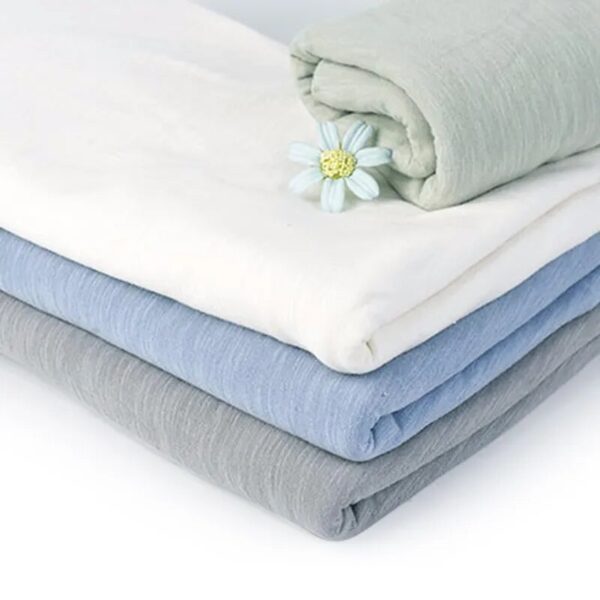
Choosing pale colors for sustainability is often associated with the idea of minimal environmental impact and longevity in fashion and design. Pale or neutral colors are considered sustainable for several reasons:
- Water usage: The dyeing process for dark colors typically requires more water. Pale colors often need less dye and consequently, less water, mkaing them more eco-friendly.
- Chemical reduction: Lighter colors may use fewer chemicals in dyeing process. Darker and more vibrant colors often require more intense dyes and washing, which release tons of wastewater and can contain harmful chemicals.
- Timelessness: Pale colors are seen as classic and timeless. They tend to go out of style less quickly than bright or trendy colors, meaning the items may be used for longer periods, reducing waste.
- Versatility: Light colors are versatile and can easily be mixed and matched with other pieces, leading to less need for a large wardrobe and thus less consumption.
It’s important to note that sustainability in colors is not just about the hue but also the production process and materials used. Sustainable design encourages the use of eco-friendly materials and processes across all colors.