Fashion has a significant impact on the environment, and it’s essential to understand the consequences of our clothing choices. The fashion industry is responsible for 10% of all humanity’s carbon emissions and the second-largest consumer of the world’s water supply.
Fast fashion’s rapid production, short garment lifespans, and unsustainable practices are having severe consequences on our planet.
Environmental impact of textile industry
Water Consumption
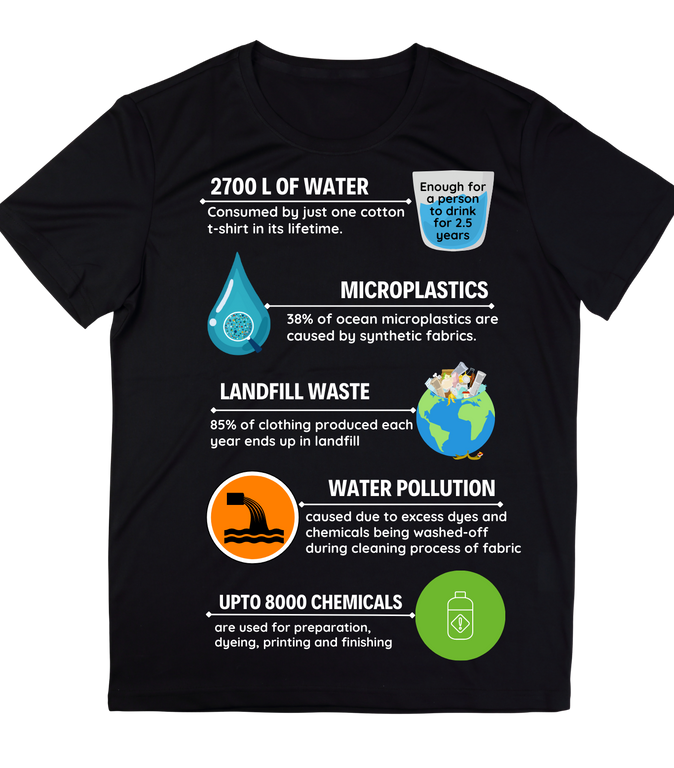
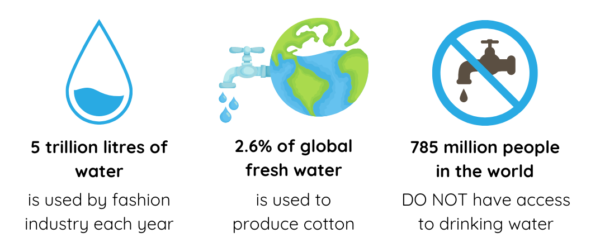
The textile and fashion industry consumes about 5 trillion tons of water per year. Cotton crops require plenty of water to grow. Around 20,000 liters of water yield only 1kg of cotton. Dyeing and finishing processes take up massive quantities of fresh water; on average, one ton of dyed fabric uses 200 tons of water. Even just a simple cotton T-shirt could consume upto 2700 litres of water in its lifetime. This is enough water for a person to drink for 2.5 years.
Microplastics
Every time we wash a synthetic garment, about 1900 microfibers are released into the water, which eventually make their way to the oceans. 38% of ocean microplastics are caused by synthetic fabrics. Almost 200,000 tons of these plastic microfibers accumulate in oceans every year; these are ingested by aquatic life, thereby introducing plastic into our food chain.
Water Pollution
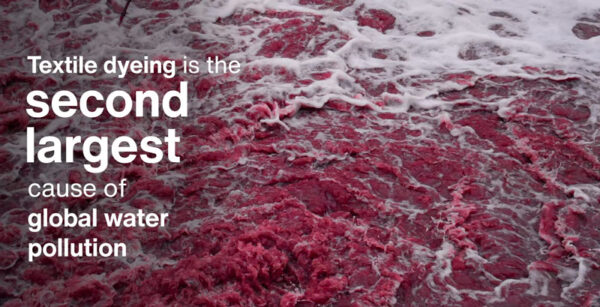
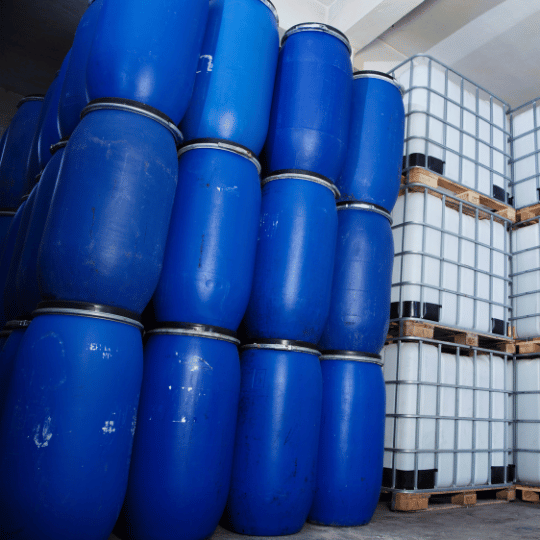
Toxic liquid effluents are released by the textile industry in vast quantities. It consists of chemicals such as formaldehyde (HCHO), chlorine, and heavy metals such as lead, arsenic, mercury etc. Heavy water pollution is caused due to excess dyes and chemicals being washed-off during cleaning process of fabric. Besides, it is disposed into water bodies which is harmful for aquatic life and human beings living nearby.
Landfill Waste
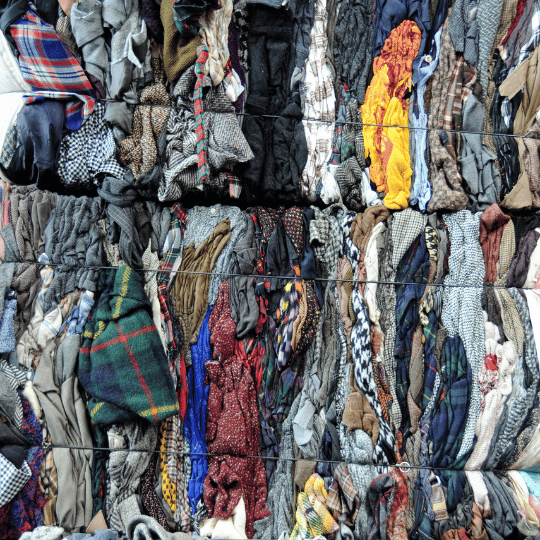
The average family in developed countries throws away at least 30kgs of used clothes every year. About 85% of clothing produced each year ends up in landfills. Only 15% of discarded textiles are donated or recycled. Recycled clothing is not very popular, as industries that process old clothing to renew it are still rare. The remaining waste is a huge burden on our landfills, especially synthetic materials used in textiles; synthetic cloth fibers normally contain plastics, which take over 200 years to decompose.
Upto 8000 chemicals
A garment having a tag that says ‘100 natural fabric’ in fact contains 25% of chemicals by weight. Fashion industry processes like fiber production, dyeing, and bleaching utilize hefty amounts of chemicals. About one ton of chemicals go into manufacturing one ton of textiles. Moreover, cotton farms employ colossal amounts of chemical fertilizers to enrich soil used for growing the crop. The heavy dosage of chemicals damages the soil’s natural vigor. Rainfall carries the chemicals to nearby water bodies, creating water pollution.
How can we reduce the environmental impact?
Reducing the environmental impact of clothing is crucial for a more sustainable future.
Explore ‘Our Initiative- Reducing the Impact’ for understanding what we are doing to design a prefect sustainable product.